How is a pleural effusion treated?
Treatment depends on the cause, the amount of fluid, the severity of symptoms and how quickly the effusion returns. The underlying condition should be treated whenever possible. If the fluid causes breathlessness or discomfort, it may also need to be drained.

Treating the underlying condition
Medication may reduce the effusion when it is caused by conditions such as heart failure, infection or inflammation. Cancer treatment can also influence the formation of a malignant pleural effusion. The healthcare team will tailor treatment to the individual diagnosis and overall situation.
Thoracentesis
Thoracentesis removes fluid through a needle or small catheter. It can relieve breathlessness quickly and provides fluid for diagnostic testing. If the effusion repeatedly returns, repeated procedures may become burdensome and another longer-term option may be considered.

Pleurodesis
Pleurodesis aims to join the two pleural layers so that fluid can no longer collect between them. A substance is introduced into the pleural space to trigger a controlled inflammatory reaction. This option is not suitable for every patient and requires the lung to be able to re-expand sufficiently.
Indwelling pleural catheter
An indwelling pleural catheter is a soft catheter placed in the pleural space and tunnelled under the skin. It can remain in place for an extended period and allows recurrent fluid to be drained as needed, often at home.
Possible advantages
- symptom relief without repeated thoracentesis;
- fewer hospital visits for many patients;
- drainage can be adapted to symptoms and medical instructions;
- greater flexibility and independence in everyday life;
- care can involve trained relatives or community nurses.
Catheter placement
The catheter is usually placed using local anaesthesia and ultrasound guidance. After a small skin incision, it is tunnelled under the skin and positioned in the pleural space. The external end is secured and covered with a sterile dressing. The clinical team explains wound care, drainage intervals and signs that require medical attention.
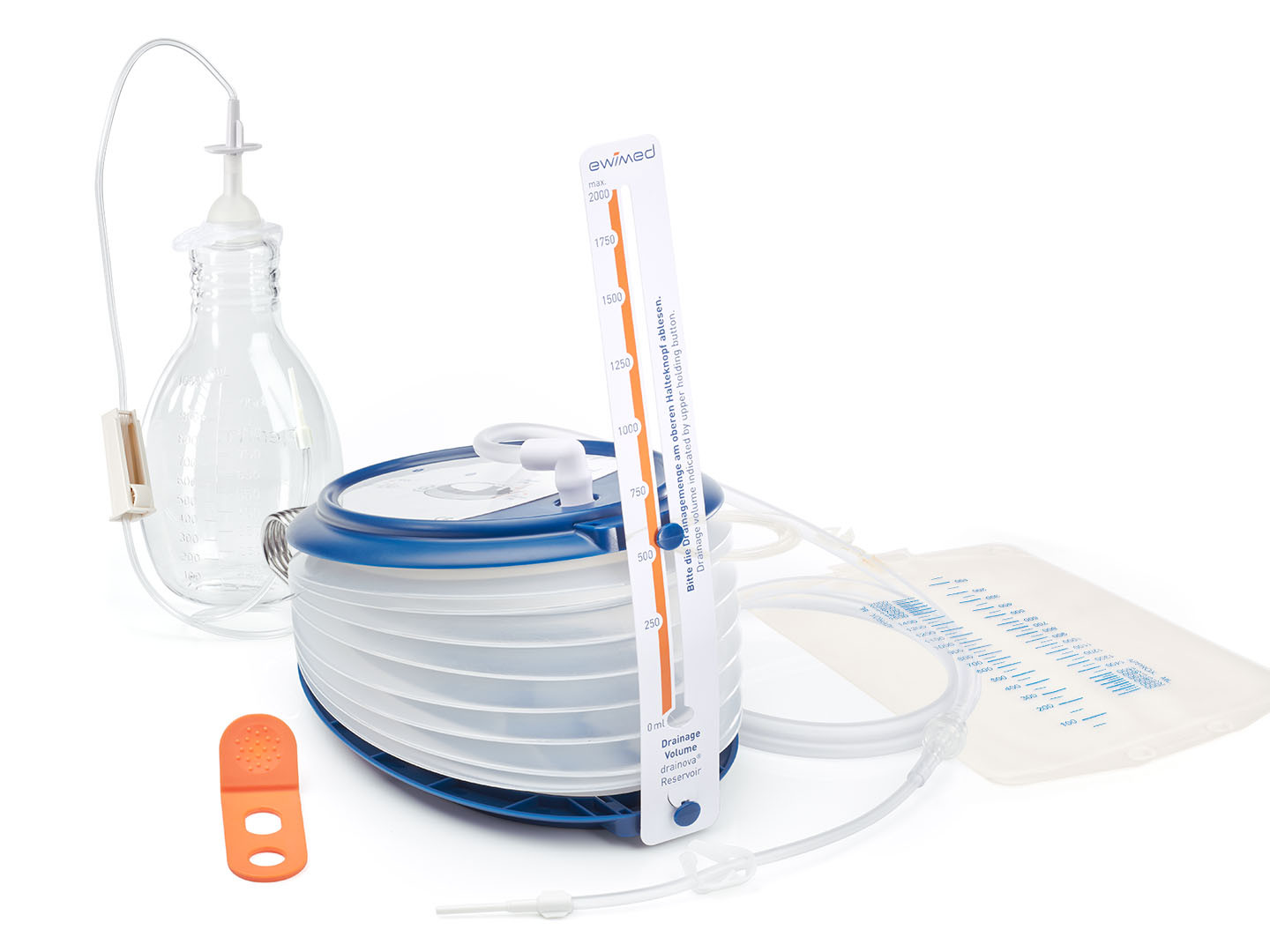
How drainage works
The catheter is connected to a compatible drainage reservoir. Fluid is withdrawn in a controlled manner according to the treatment plan. The amount drained and any symptoms should be recorded. The healthcare team will specify how frequently drainage should be performed and the maximum amount to remove at one time.
The ewimed care concept
ewimed supports patients, relatives and healthcare professionals with coordinated supply of prescribed drainage materials, practical instruction and ongoing service. The exact scope of support depends on the country, prescription and local healthcare arrangements.

Conclusion
There is no single treatment that is right for every pleural effusion. The decision should take account of the cause, symptoms, treatment goals and personal circumstances. For recurrent symptomatic effusions, an indwelling catheter may provide reliable relief and support care at home.
Your healthcare team will discuss the benefits and risks of each option with you. If you have questions about drainage systems or supply, please contact us.