When breathing becomes difficult
A pleural effusion develops when fluid accumulates in the pleural space between the lungs and the chest wall. A small effusion may cause no symptoms or only non-specific symptoms. As more fluid builds up, it presses on the lung and prevents it from expanding fully.
Because a pleural effusion is a sign of another condition, such as cancer, heart failure or inflammation, several symptoms may occur at the same time. Early assessment is important so that the cause can be identified and treated.
Shortness of breath
Shortness of breath, or dyspnoea, is the most common and often the first noticeable symptom. At first it may occur only during activity, such as climbing stairs, talking or bending down. As the effusion grows, breathlessness can also occur at rest, particularly when lying flat.
The fluid compresses the lung from the outside, limiting expansion and making gas exchange more difficult. Draining the fluid by thoracentesis or through a catheter often provides prompt relief.
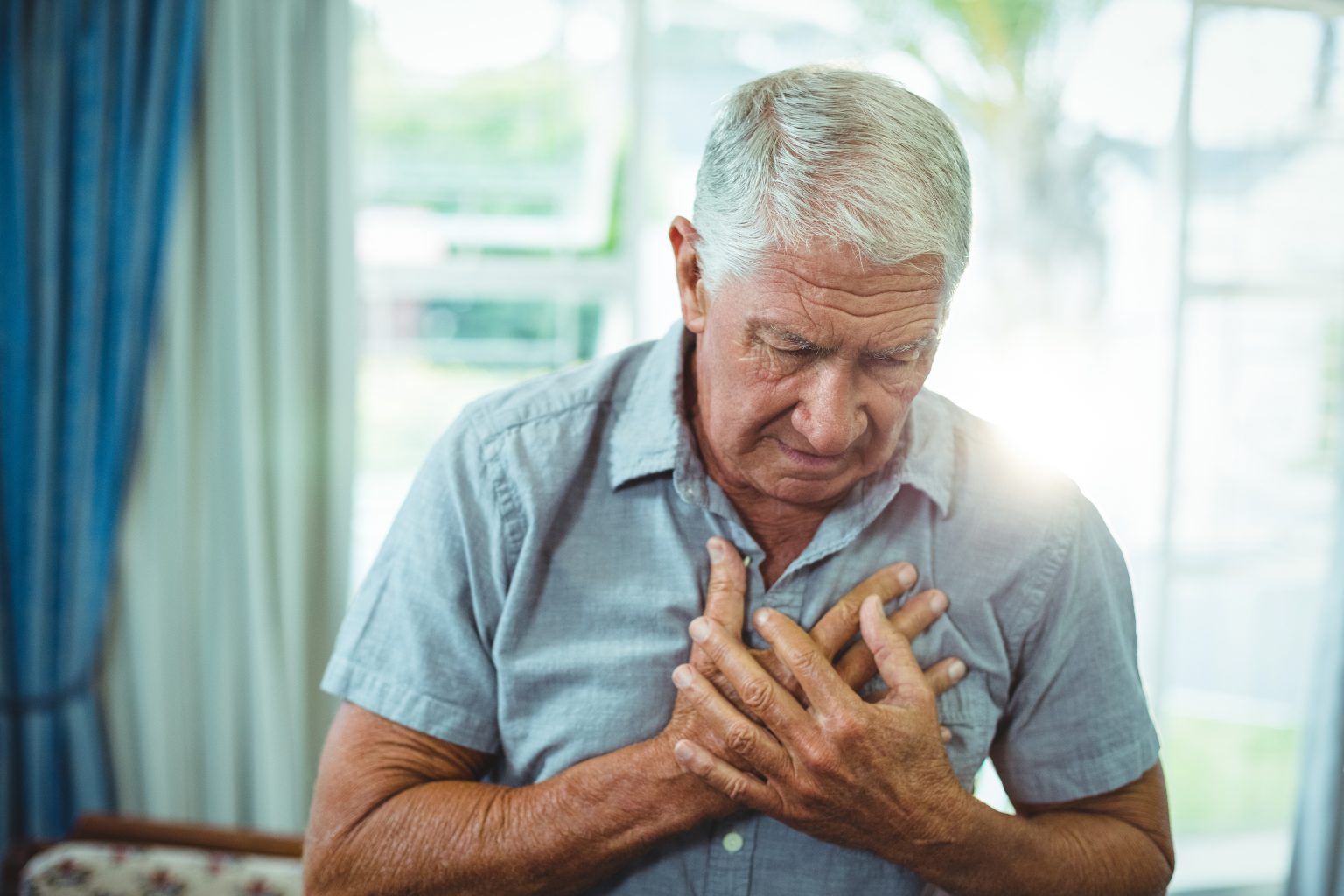
Possible signs
- increasing breathlessness during simple activities such as showering, walking or speaking;
- rapid exhaustion after minor exertion;
- breathlessness when lying flat, with improvement when sitting upright;
- shallow, rapid breathing or difficulty taking a deep breath.
Dry or irritating cough
A persistent dry cough can result from irritation of the pleura or pressure on the lungs and airways. Unlike a cough caused by a cold, it does not usually produce mucus and may continue for weeks. It may worsen when talking, laughing, taking a deep breath or changing position.

Pressure or pain in the chest
As fluid volume increases, it can cause pressure on the affected side of the chest. Large effusions may cause pain, especially during deep breathing, coughing or laughing. If inflammation is present, the pain may be sharp, one-sided and linked to breathing.
Reduced physical capacity and fatigue
Pleural effusions often occur alongside serious underlying conditions. Many patients therefore experience weakness and fatigue in addition to the direct effects of the fluid. Everyday activities such as climbing stairs, shopping or leaving the house may become difficult.
Common experiences include physical weakness without exertion, dizziness or breathlessness after brief activity, a greater need for rest and withdrawal from social life. For recurring effusions, a reliable home drainage system may help selected patients regain independence and reduce hospital visits.

Symptoms of the underlying condition
- Cancer: loss of appetite, weight loss, night sweats and fatigue.
- Heart failure: swelling of the legs, coughing and abdominal pressure.
- Liver disease: ascites, abdominal swelling and loss of muscle mass.
- Infection: fever, chills, productive cough and pain when breathing.
When to seek medical advice
New or increasing shortness of breath, chest pain or a marked deterioration in your general condition should be assessed promptly by a healthcare professional. Severe breathing difficulty is a medical emergency.
Conclusion
A pleural effusion can have a significant effect on everyday life. Recognising symptoms early, investigating the cause and selecting an appropriate treatment can help relieve discomfort and preserve quality of life.
If you have questions, please contact us or speak with your healthcare team.